
Breast Cancer
Patient Support
We offer support programs designed to help vulnerable women facing breast cancer with care, guidance, and essential resources. From mammograms and educational workshops to emotional support and care gift bags, our programs aim to make women feel supported, informed, and less alone during their journey. Our goal is to provide hope, dignity, and assistance when they need it most.
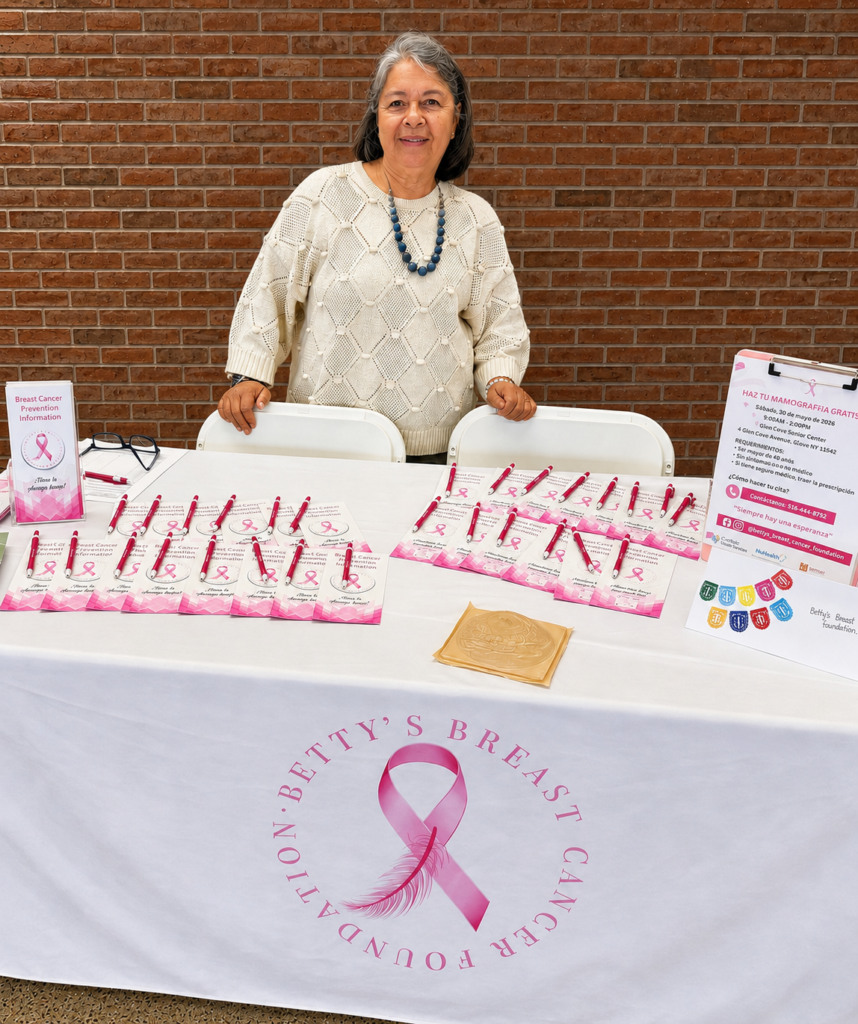
Education
Programs
We offer educational workshops in Spanish and English focused on breast cancer prevention, early detection, and women’s wellness. Participants receive easy-to-understand bilingual materials and practical tools to protect their health.
What is
Breast Cancer?
Breast cancer is a serious health condition that can affect both women and men. It occurs when cells in the breast grow abnormally and begin to spread uncontrollably, which can lead to life-threatening complications. Several factors may increase the risk of developing breast cancer, including age, family history, genetic mutations, dense breast tissue, hormonal factors, and certain lifestyle choices.
Types of Breast Cancer:
. Hormone receptor-positive: These cancers grow with the help of hormones like estrogen or progesterone. Most breast cancers are this type.
. HER2-positive: These cancers grow faster because of a gene called HER2. Special treatments can target this type.
. Triple-negative: These cancers do not have estrogen, progesterone, or HER2. They can grow quickly but may respond to certain chemotherapy treatments.
https://www.cancer.gov/types/breast
Risk Factors:
Age: The risk of breast cancer increases as people get older, especially after menopause.
Be a woman: One of the biggest risk factors for breast cancer is simply being a woman, as women are much more likely than men to develop the disease due to differences in breast tissue and hormone exposure.
Family history: Having a close relative, such as a mother, sister, or daughter, with breast cancer may increase your risk.
Genetic mutations: Inherited mutations in genes such as BRCA1 and BRCA2 can significantly increase the risk of developing breast cancer.
Dense breast tissue: Breasts with more tissue and less fatty tissue may make it harder to detect abnormalities during screening.
Hormonal factors: Early menstruation, late menopause, or the use of hormone replacement therapy may increase the risk.
Lifestyle factors: Obesity, lack of physical activity, and heavy alcohol consumption can also contribute to the risk of breast cancer.
Signs & Symptoms:
Breast lump: This is the most common symptom. It may feel like a new lump or thick area in the breast or under the arm.
Breast skin changes: The skin of the breast may become thicker or look dimpled, similar to the texture of an orange peel.
Redness or swelling: The breast or nipple area may appear red, swollen, or irritated.
Scaly skin: The skin around the nipple or areola may become dry, flaky, or scaly.
Prevention
Early detection of breast cancer can save lives. Regular mammograms and self-examinations are key to spotting any changes or abnormalities in breast tissue. Detecting breast cancer early increases the chances of successful treatment. By taking these simple steps, you can protect your health and improve your chances of overcoming the disease.
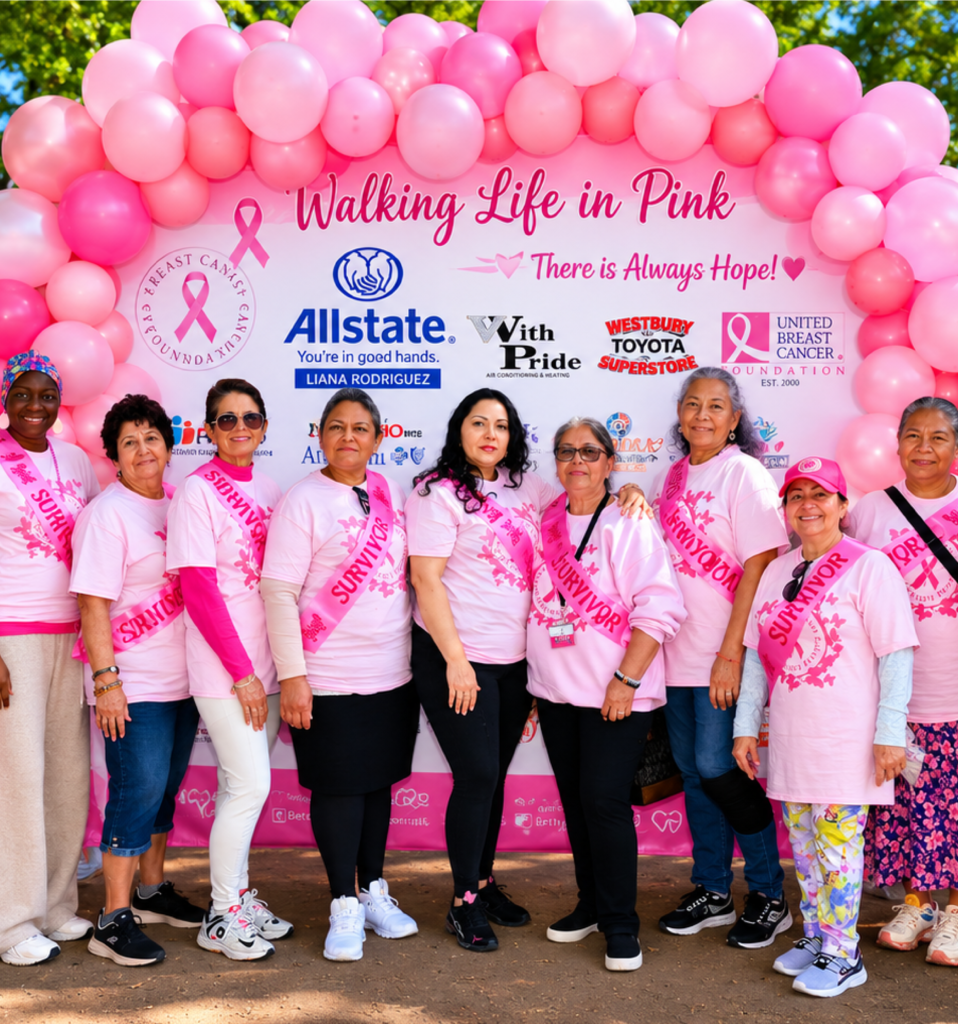
We bring services directly into the community through mobile mammogram units at: Consulates, churches, schools, health fairs, community events.
By meeting women where they are, we make life-saving screenings accessible and convenient.
Mammograms: A mammogram is a special X-ray that examines breast tissue for abnormalities and is a key tool for early breast cancer detection. Regular mammograms give women the best chance for timely treatment and improved outcomes.
How It Works:
A technologist gently compresses each breast between two paddles to spread the tissue for clear images. Multiple X-rays are taken from different angles. While the compression may feel uncomfortable, it is necessary for accurate results.
Purpose and Types:
Mammograms detect lumps, masses, calcifications, and tissue changes. Early detection allows prompt treatment and better outcomes.
– Screening mammogram:
Routine check for women with no symptoms, typically starting at age 40-50.
– Diagnostic mammogram:
Used when symptoms or abnormalities are present for a closer evaluation.
Limitations:
Dense breast tissue may make detection harder, and false positives or negatives can occur.
Free Mammogram Screenings:
Betty’s Breast Cancer Foundation offers free mammograms through our mobile program in Long Island and NYC. Free screenings remove financial barriers, promote early detection, and help reduce disparities in underserved communities.
Take Action:
If you’re due for a mammogram or haven’t had one, take advantage of this free service. Early detection is the most powerful tool in the fight against breast cancer. Follow us on Facebook and Instagram for updates on mobile screening locations.
Breast Self-Exam: breasts with more tissue and less fatty tissue may be harder to screen for abnormalities. The best time to perform a self-exam is a few days after your menstrual period ends, when your breasts are less swollen.
- While lying down, use the pads of your fingers in circular motions to examine each breast carefully.
- In front of a mirror: Raise your arms and check your breasts for any visible changes.
- Check your armpits for lumps or unusual thickening. Look for changes in appearance, such as dimpling, redness, or swelling.
Important: If you notice any changes, see a doctor immediately. Immigrant women often have lower breast cancer rates upon arriving in the U.S., but barriers like language, insurance, and cultural beliefs can delay screening and diagnosis. Over time, risk may increase due to lifestyle changes, and breast cancer subtypes can vary by region of origin. Providing culturally sensitive care, multilingual education, and accessible screening is essential to bridge gaps, promote early detection, and empower immigrant women to take charge of their health.
Breast Cancer Treatments:
Surgery: This may involve removing the entire breast (mastectomy) or just a part of it (lumpectomy). Some women may also choose reconstructive surgery.
Radiation therapy: High-energy rays are used to target and destroy cancer cells in the breast area.
Chemotherapy: Strong medications are used to kill cancer cells throughout the body.
Hormone therapy: Medications can block the effects of hormones that help certain breast cancers grow.
Targeted therapy: Drugs are designed to attack specific weaknesses in cancer cells.
Living Beyond Breast Cancer: many women live full and active lives after breast cancer treatment.
Support and healthy habits are essential for well-being:
Support groups: Connecting with other breast cancer survivors can provide emotional support and a sense of community.
Counseling: Talking to a therapist can help manage stress, anxiety, and depression related to the diagnosis.
Financial assistance: Programs are available to help cover medical and treatment-related costs.
Complementary therapies: Techniques such as yoga, meditation, and acupuncture may help manage side effects and improve overall wellness.
Follow-up care: Regular checkups with your doctor are crucial to monitor for recurrence.
Healthy lifestyle choices: Maintaining a healthy weight, eating a balanced diet, and exercising regularly can reduce the risk of recurrence and improve overall health.
Advocacy: Participating in fundraising or awareness campaigns can empower you and help others in the fight against breast cancer.
Remember: Early detection is key. You can take charge of your breast health by understanding your risk factors, scheduling regular mammograms and self- exams, and talking to your doctor about any concerns.
Learn more about breast cancer:
National Cancer Institute: this website provides a wealth of information about breast cancer screening, including mammograms:
https://www.cancer.gov/types/breast
American Cancer Society: offers resources on breast cancer detection, treatment, and support: https://www.cancer.org/cancer/types/breast-cancer.html
Susan G. Komen: a well-known breast cancer organization with information and resources on mammograms and financial assistance programs:

Support
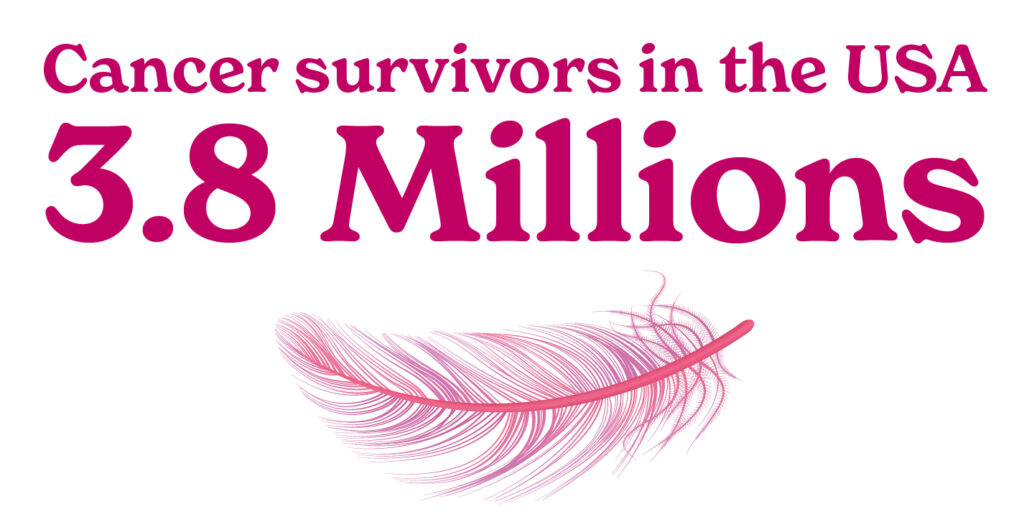
We provide compassionate, personalized support for individuals at every stage: before diagnosis, during treatment, after recovery.
Our services include:
• Healthcare system navigation
• Connections to insurance and medical care
• Emotional support groups
• Referrals to trusted partners
We also distribute care kits for patients undergoing treatment, including essential and comfort items. At Betty’s Foundation, every woman is treated with dignity, respect, and care because no one should face cancer alone.
Events
Upcoming Event: Walking Life in Pink
Every October, we host Walking Life in Pink, a powerful community event that brings people together to:
• Celebrate survivors
• Honor loved ones
• Raise awareness
It is more than a walk, it is a movement of unity, hope, and strength.
Join Our Volunteer Team
and Make a Difference
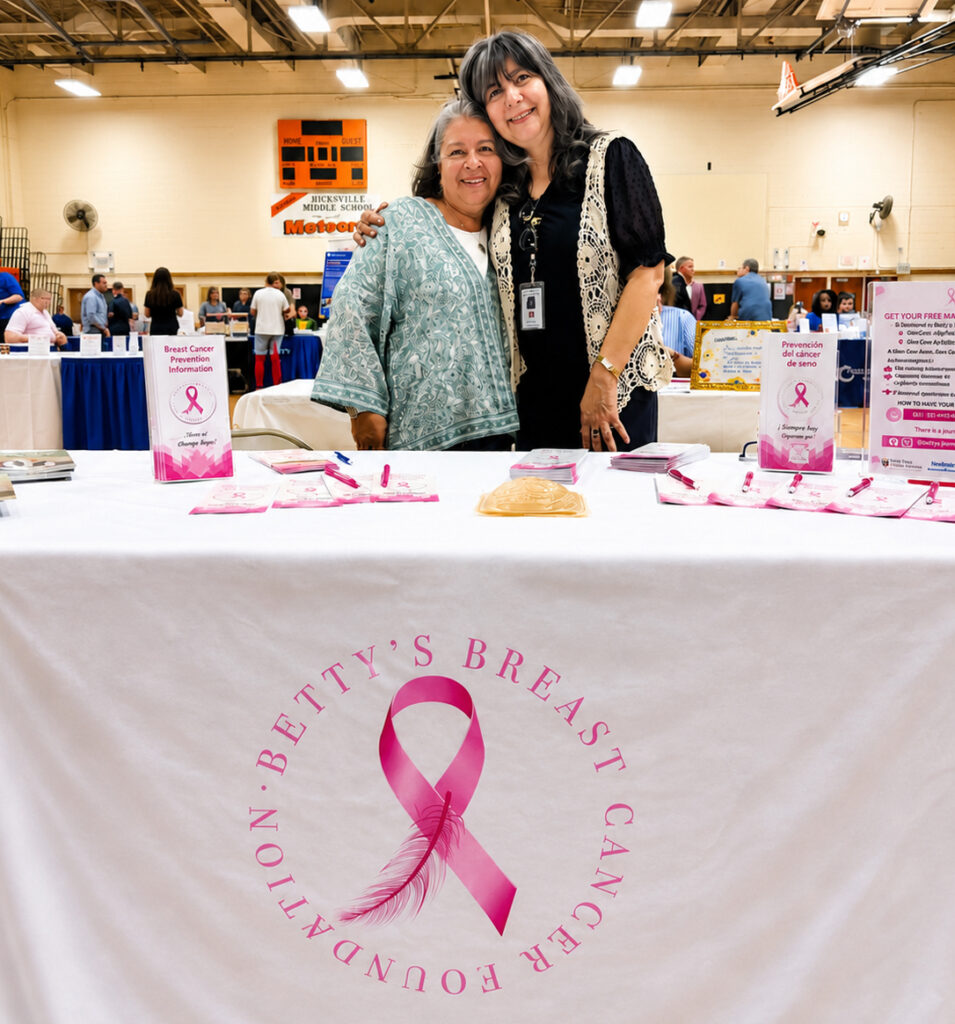
Do you want to make a real difference in the lives of those facing breast cancer? Join our volunteer team and share your time and talents to support patients and their families. As a volunteer, you can help at events, take part in awareness campaigns, and offer encouragement and emotional support to those who need it most. Your dedication can bring hope and make a meaningful impact. Be part of our mission and help us build a future without breast cancer.
Testimonials
Maria R.
Lorem ipsum dolor sit amet consectetur adipiscing elit. Quisque faucibus ex sapien vitae pellentesque sem placerat. In id cursus mi pretium tellus duis convallis. Tempus leo eu aenean sed diam urna tempor. Pulvinar vivamus fringilla lacus nec metus bibendum egestas. Iaculis massa nisl malesuada lacinia integer nunc posuere. Ut hendrerit semper vel class aptent taciti sociosqu. Ad litora torquent per conubia nostra inceptos himenaeos.
Lorem ipsum dolor sit amet consectetur adipiscing elit. Quisque faucibus ex sapien vitae pellentesque sem placerat. In id cursus mi pretium tellus duis convallis. Tempus leo eu aenean sed diam urna tempor. Pulvinar vivamus fringilla lacus nec metus bibendum egestas. Iaculis massa nisl malesuada lacinia integer nunc posuere. Ut hendrerit semper vel class aptent taciti sociosqu. Ad litora torquent per conubia nostra inceptos himenaeos.

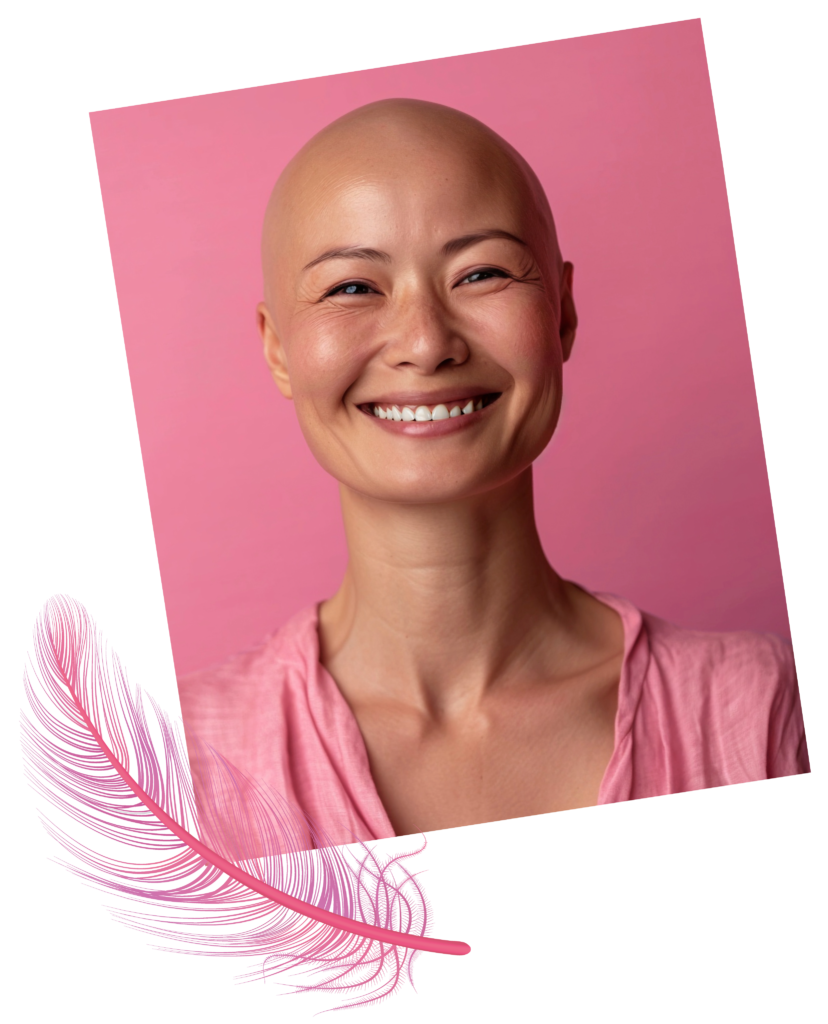
Luisa F.
Lorem ipsum dolor sit amet consectetur adipiscing elit. Quisque faucibus ex sapien vitae pellentesque sem placerat. In id cursus mi pretium tellus duis convallis. Tempus leo eu aenean sed diam urna tempor. Pulvinar vivamus fringilla lacus nec metus bibendum egestas. Iaculis massa nisl malesuada lacinia integer nunc posuere. Ut hendrerit semper vel class aptent taciti sociosqu. Ad litora torquent per conubia nostra inceptos himenaeos.
Lorem ipsum dolor sit amet consectetur adipiscing elit. Quisque faucibus ex sapien vitae pellentesque sem placerat. In id cursus mi pretium tellus duis convallis. Tempus leo eu aenean sed diam urna tempor. Pulvinar vivamus fringilla lacus nec metus bibendum egestas. Iaculis massa nisl malesuada lacinia integer nunc posuere. Ut hendrerit semper vel class aptent taciti sociosqu. Ad litora torquent per conubia nostra inceptos himenaeos.